
Ready to see what this looks like for you?
The best way to find out is to talk. The first meeting takes place on your schedule and begins wherever you'd like to start.
A place for the whole picture.

How we work
There's no mystery to the process. It follows a deliberate sequence, and this page walks through each stage, including what we mean by cash flow first.
Cash-flow-first planning begins with the money moving through your life, meaning income, spending, and what you want it to accomplish, before turning to investments. The plan then connects retirement income, taxes, investments, and estate decisions so each is made with the others in mind, and it's revisited as your circumstances change.
Investments matter, and they work best when they're coordinated with the taxes, retirement income, and estate decisions around them.
A conversation
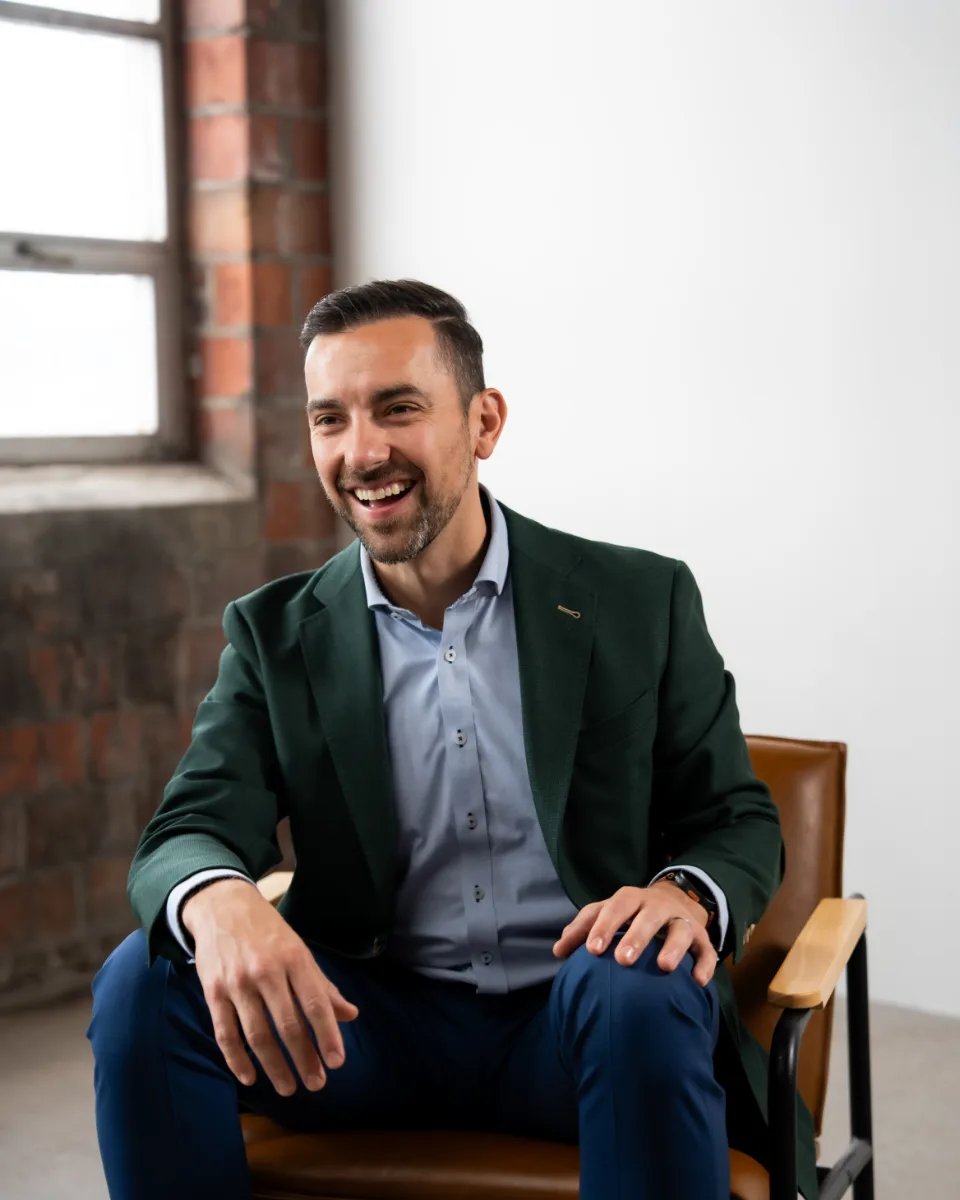
Your first meeting is a two-way conversation. We ask about your family, your work, your community, and your priorities, and you have the chance to see how we work and whether the fit feels right. There's nothing to prepare beforehand, and the details can come later.
Cash flow first
We review your income, spending, and savings alongside what you want your money to do. For people near or in retirement, that often means mapping where income could come from. For those earlier in their careers, it can mean setting priorities when several goals compete for the same dollars. This work gives the rest of the plan something firm to rest on.
The whole picture
Investments, taxes, retirement income, and estate and multi-generational planning are examined together, because a decision in one area tends to ripple into the others. When it helps, we work alongside your CPA and estate planning attorney so recommendations line up instead of arriving in separate piles.
A plan that keeps up
Life rarely follows the forecast, so the plan is meant to be revisited rather than filed away. A job change, a health event, or a new grandchild is a good reason to look again, and the what-if questions, such as a larger gift or an extra trip, are worth exploring before you act on them.
Every plan is built around your goals. These are the topics that come up most often.
Cash flow and budgeting
We build a cash flow picture you can actually use, one that shows what's possible, where money tends to go, and how to direct it toward the things that matter to you.
Retirement income planning
We look at where income could come from, how Social Security and Medicare timing fit in, and how withdrawals might affect your taxes, with the aim of giving you a clearer view of what retirement could look like.
Roth conversion planning
A Roth conversion can change your tax picture now and in the years ahead, and it isn't right for everyone. We walk through how one might fit alongside the rest of your plan so you can weigh the tradeoffs with your tax professional.
Tax planning and strategy
We consider how taxes interact with your income, investments, and estate decisions, so the tradeoffs are visible before you commit to a course of action.
Estate and multi-generational planning
Many people haven't revisited their estate arrangements in years, and some have never put a plan in place. We help you think through beneficiaries, trusts, and what you'd like to leave to family or to causes in your community, then coordinate with your estate planning attorney.
Education and family planning
From 529 plans to the question of what to do with an old 401(k) after a job change, we help you weigh choices for your family and see how each one fits into the larger picture.
Our planning is educational and isn't tax or legal advice. We encourage you to consult a qualified tax or legal professional about your specific situation.
Nothing is required. If a recent statement or a specific question is on your mind, bring it, but you don't need finished numbers, a prepared list of questions, or any fluency in financial terms. The first meeting is exploratory, and it doesn't commit you to anything.
A financial planner helps you look at your whole financial life, including cash flow, retirement, taxes, investments, and estate planning, and make decisions that fit your goals. A CFP® professional has also met education, examination, experience, and ethics requirements set by the CFP Board.
We can help you consider whether a Roth conversion might fit your plan, including how it could affect your taxes now and later. Conversions aren't right for everyone, and we recommend discussing the decision with a qualified tax professional before you act.
Both are available. Video meetings keep scheduling simple and let you work with us from anywhere. In-person meetings happen at our office when they make sense.
When it helps, we coordinate with your CPA and estate planning attorney so recommendations line up. Wright Park Wealth doesn't replace those professionals, and we encourage you to rely on them for tax and legal advice specific to your situation.
A fiduciary is responsible for acting in your best interest when giving advice. Advisory services are offered through Investment Advisory Representatives of RFG Advisory, an SEC-registered investment adviser, and we work under that fiduciary standard.
Your accounts are held at Charles Schwab or Fidelity. You'll have access to a secure online client portal where you can view your accounts and documents whenever you like, without waiting for a meeting.
The best way to find out is to talk. The first meeting takes place on your schedule and begins wherever you'd like to start.
A place for the whole picture.